菜单
关闭
|
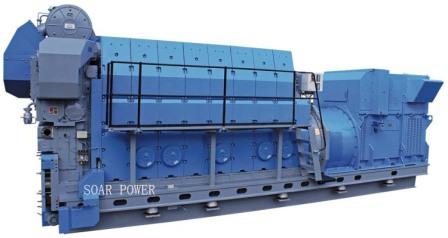
Generator sets refer to the power generation device that converts mechanical energy into electrical energy and thermal energy. It is usually driven by an internal-combustion engine (such as a diesel engine, a gas engine, etc.) or a turbine (such as a gas turbine, a steam turbine, a water turbine, etc). The generator set is generally composed of engine, alternator, coupling, and control system.
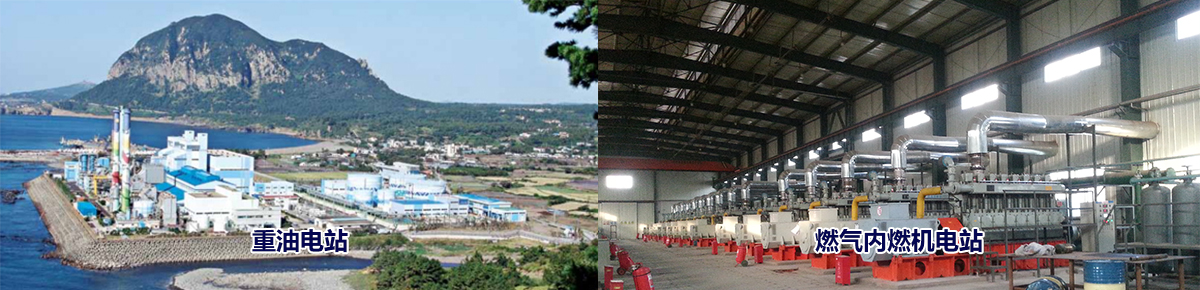
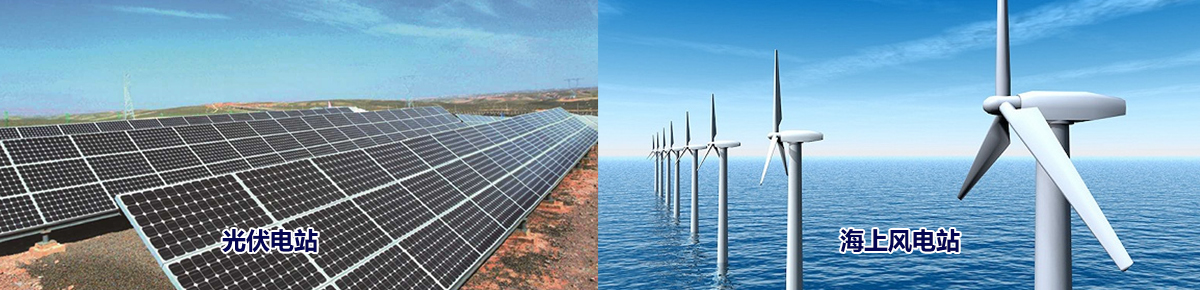
Power generation can use fossil fuels (such as light diesel oil, heavy fuel oil, crude oil, natural gas, coal, etc.), as well as renewable energy sources (such as wind energy, hydro energy, solar energy, ocean energy, and biomass energy, etc.). In short, choosing the energy forms or fuels that are easy to get and suitable for you, which is conducive to economical and environmentally friendly. For more Fuels information, please visit our website: Fuels .
Classification of Generator Sets:
1. According to the type of driving power, the generator sets can be classified into two categories:
■ Engine Generator Sets, i.e. RIC engine generator sets. according to different fuels, the engine generator sets can be classified into Liquid fuel generator sets, Gas generator sets and Dual fuel generator sets;
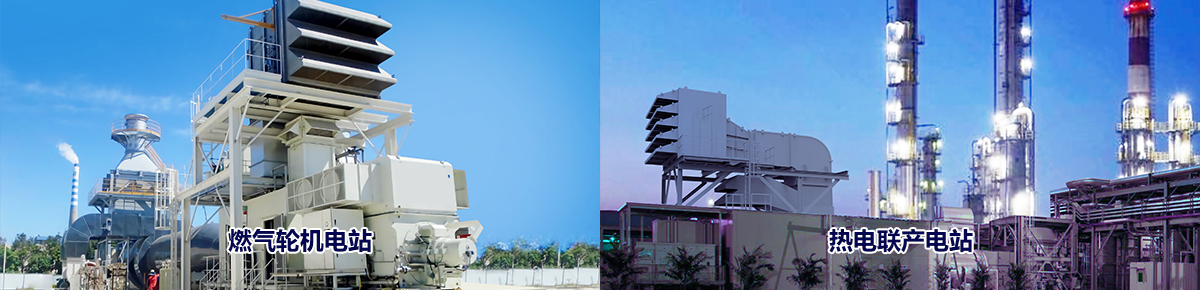
■ Turbine Generator Sets, according to types of energy, the turbine generator sets can be classified into Gas turbine generator sets, Steam turbine generator sets, Hydro turbine generator sets and Wind turbine generators.
2. According to the classification of output voltage, the generator sets can be divided into two categories:
■ Low-voltage Generator Sets, refer to the rated voltage U ≤ 1000 V (AC). Common levels include 230 V/400 V, 277 V/480 V, 400 V/690 V, and 1000 V, The single set capacity is generally below 2000 kW. Suitable for short distance distribution and small capacity loads.
■ Medium & High-voltage Generator Sets, refer to the rated voltage U > 1 kV and U ≤ 35 kV. Common voltage levels include 3.3 kV, 4.16 kV, 6 kV, 6.3 kV, 6.6 kV, 10 kV, 10.5 kV, 11 kV, 12.47 kV and 13.8 kV. Generally, it is rare for the voltage of a generator set to be above 20 kV. In the generator set industry, it is customary to refer to sets with an output voltage exceeding 1 kV as "High-voltage generator sets" to distinguish them from conventional Low-voltage generator sets. The single set capacity of such sets is generally above 1000 kW, suitable for high-capacity and long-distance transmission scenarios.
3. According to usage location of the generator sets, it can be divided into two categories:
3.1 Land-based Generator Sets, It is suitable for stationary or mobile ground installations, including industrial, commercial, residential, and emergency power supply scenarios. According to the installation form, the Land-based generator sets can be divided into two categories:
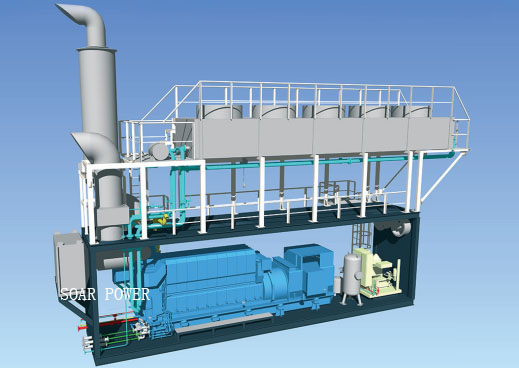
■ Stationary Generator Sets, It can be classified into Open-frame generator sets and Enclosed generator sets; wherein the Enclosed generator sets include Containerized generator sets, Silence generator sets, and Rainproof generator sets.
■ Mobile Generator Sets, It can be classified into Vehicle-mounted generator set, Trailer generator set, and Hand-pushed generator set, etc.
3.2 Marine Generator Sets, suitable for inland river or marine vessels. Mainly used for power supply to ships and offshore platforms.
--- Among them, Mobile generator sets, Enclosed generator sets, and Emergency generator sets can be collectively referred to as Special Generator Sets. For more information on special generator sets, please visit: Special Generator Sets.
Rated power of Generator sets under different operating conditions (ISO 8528-1 Standard):
■ Continuous Operating Power (COP): The maximum power output for continuous operation under agreed maintenance conditions, providing uninterrupted power to constant loads with no annual runtime limit. Allows 100% rated load operation continuously without overload capability. Typically used as base-load power or standalone power supply in remote areas.
■ Prime Running Power (PRP): The maximum power output for continuous operation under agreed maintenance conditions, supplying variable loads with no annual runtime limit. Average load over 24 hours must not exceed 70% of PRP. Allows 10% overload capacity (Overload ≤ 1 hour every 12 hours, cumulative annual overload ≤ 25 hours). Can serve as a primary power source replacing utility grid power. Suitable for remote mining sites, construction sites, peak shaving applications, and main power sources in independent microgrids.
■ Emergency Standby Power (ESP): The maximum power output for supplying variable loads during grid failure under agreed maintenance conditions, with a maximum annual runtime of 200 hours (Long-term operation at this level significantly increases failure rates and reduces lifespan), Average 24-hour load must not exceed 70% of ESP. Commonly used as emergency backup power for buildings, hospitals, and other critical facilities during grid outages.
■ Limited-Time Running Power (LTP): The maximum power that the generating set is capable of delivering for 300 hours of continuous operation between prescribed maintenance intervals and under specified ambient conditions, with an annual total operating time not exceeding 500 hours. Maintenance shall be carried out in accordance with the RIC engine manufacturer's specifications. Operation at this rating is permissible with an acceptable impact on the unit service life. Typically used as temporary emergency replacement power, such as for large-scale events, disaster relief, seasonal backup, or short-term construction projects.
■ Data Center Power (DCP): Specifically designed for mission-critical and data center backup applications in regions with reliable grid power. Provides unlimited-time power supply for variable or continuous loads following a mains failure. Can operate at 100% rated load, but prolonged parallel operation with the utility grid is not allowed. DCP ratings typically correspond to an overhaul interval of approximately 8,000 hours (compared to 15,000 hours for PRP), trading off some service life for higher sustained output capability.
Generator sets are widely used in power stations, industrial and mining, oil fields, transportation, construction, communications and other fields. Our products include: Gas turbine generator sets with power ranging from 1.0 MW to 590 MW/unit; High speed 4-stroke generator sets with power ranging from 7.6 kW to 3,000 kW; Medium speed four stroke generator sets with power ranging from 0.4 MW to 21 MW; the Low speed two stroke generator sets with power ranging from 0.4 MW to 77 MW.
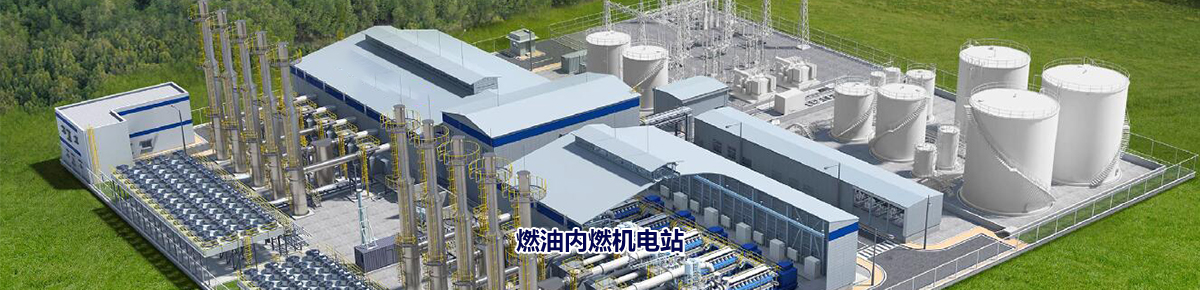
Whether stand-alone engines, gensets or turnkey power plants, we create one-stop solutions that precisely meet your needs. We offer a true partnership: expert advice and lifelong support. And whenever and wherever you need it, our global network of service hubs delivers expert, rapid on-the-spot assistance. For more power plants information, please visit our website: Power Plant.